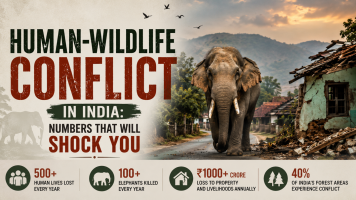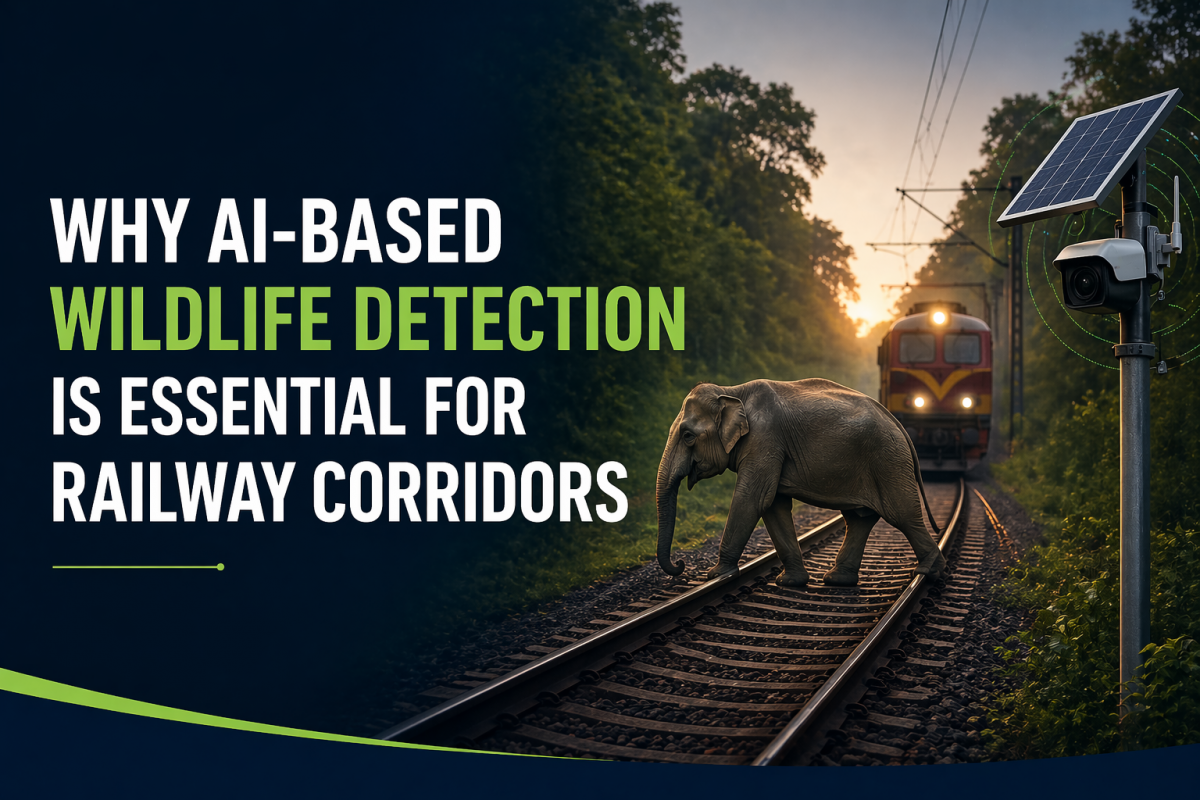
Railway corridors often pass through forests, wildlife reserves, and natural habitats, making them high-risk zones for animal movement. As train speeds increase and rail networks expand, the chances of animal–train collisions have become a serious concern.
These incidents not only result in the loss of valuable wildlife but also pose safety risks for train operations and passengers. To address this growing challenge, AI-based wildlife detection systems are emerging as a critical solution for modern railway safety.
The Growing Challenge in Railway Corridors
Wild animals frequently cross railway tracks while moving between habitats, searching for food, or following traditional migration paths. These crossings often happen unexpectedly, especially during nighttime or low-visibility conditions.
Common risks include:
- Animal–train collisions
- Damage to railway infrastructure
- Train delays and operational disruptions
- Threats to passenger safety
Traditional monitoring methods are not sufficient to handle these challenges in real time.
What Is AI-Based Wildlife Detection?
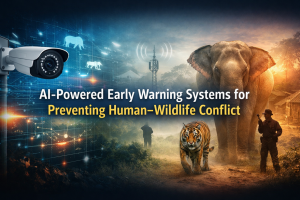
AI-based wildlife detection systems use intelligent cameras and sensors to identify animal movement near railway tracks. These systems analyze data in real time and send immediate alerts when animals are detected.
Key components include:
- AI-powered cameras for animal recognition
- Edge AI processing for instant detection
- Solar-powered units for remote locations
- Alert systems for railway authorities and control rooms
This technology enables proactive monitoring rather than reactive response.
Why AI-Based Detection Is Essential for Railways
1. Real-Time Detection and Alerts
AI systems can detect animals instantly and trigger alerts before they reach the tracks. This gives railway operators time to take preventive action.
2. Reducing Animal–Train Collisions
Early warnings help reduce accidents, protecting both wildlife and railway operations.
3. Enhancing Passenger Safety
By minimizing unexpected collisions, AI systems contribute to safer train journeys.
4. Reliable Monitoring in Remote Areas
Railway tracks often pass through areas with limited connectivity. AI systems using local processing can function effectively even in such environments.
5. Supporting Continuous Operations
Reduced incidents lead to fewer delays, smoother operations, and better efficiency for railway networks.
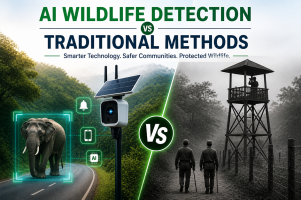
Limitations of Traditional Monitoring
Conventional approaches such as manual patrols or basic surveillance cameras have several limitations:
- Lack of real-time alerts
- High dependency on human monitoring
- Limited coverage in large railway stretches
- Inefficiency during night or adverse weather conditions
AI-based systems overcome these challenges by providing automated, intelligent monitoring.
The Role of Smart Technology in Railway Safety
AI wildlife detection systems can be integrated with railway infrastructure to create a smart safety network. These systems can:
- Send alerts to control rooms
- Trigger warning signals near tracks
- Integrate with railway communication systems
- Provide data for long-term safety planning
This creates a proactive approach to managing wildlife movement along railway corridors.
A Step Toward Safer and Smarter Railways
As railway infrastructure continues to expand, integrating intelligent wildlife detection systems is becoming increasingly important. These solutions not only help prevent accidents but also support environmental responsibility and sustainable development.
By adopting AI-based monitoring, railway authorities can ensure safer operations while protecting wildlife habitats.
Conclusion
AI-based wildlife detection is no longer an optional innovation it is a necessity for railway corridors that intersect with natural habitats. With real-time detection, instant alerts, and reliable performance in remote areas, these systems provide an effective way to reduce risks and improve safety.
Investing in smart detection technology is a crucial step toward building safer railway networks and promoting better coexistence between infrastructure and wildlife.