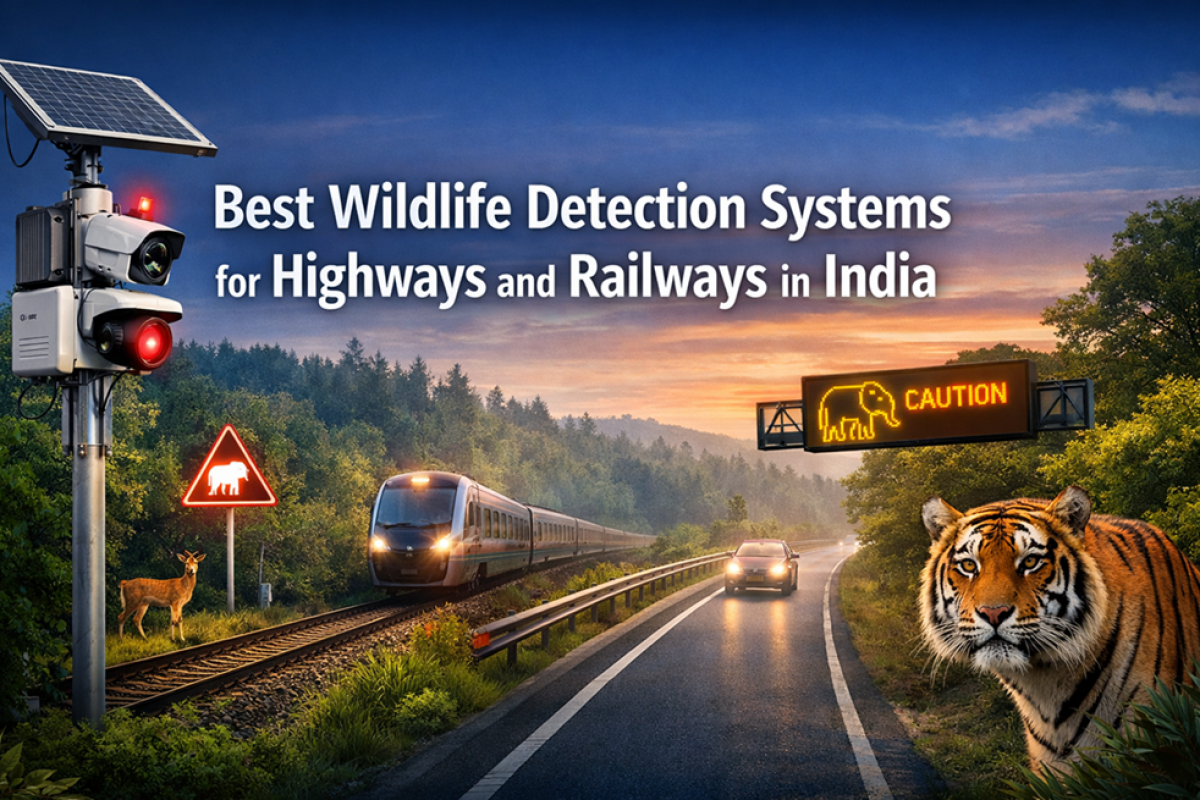
India’s rapid infrastructure expansion has significantly improved connectivity across the country. However, the growth of national highways and railway corridors passing through forest regions has also increased the risk of wildlife accidents. Animal–vehicle and animal–train collisions not only result in loss of wildlife but also pose serious safety risks to passengers, drivers, and infrastructure.
To address this growing concern, advanced wildlife detection systems powered by Artificial Intelligence (AI) are emerging as the most effective solution.
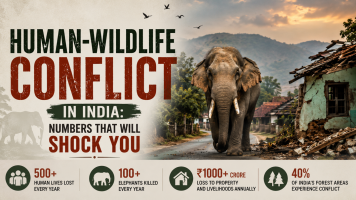
The Growing Challenge of Wildlife Collisions in India
India is home to diverse wildlife species including elephants, tigers, leopards, deer, and other protected animals. Many highways and railway tracks pass through forest corridors and migratory paths. Traditional warning boards and speed restrictions have proven insufficient in preventing accidents.
Common challenges include:
- Poor night visibility
- Lack of real-time monitoring
- Delayed human response
- Large and remote forest stretches
- High-speed vehicle and train movement
This is where AI-based wildlife detection systems play a transformative role.
What is a Wildlife Detection System?
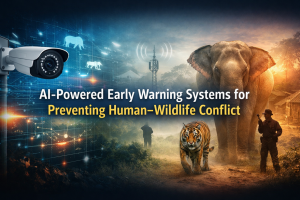
A wildlife detection system is a smart surveillance solution that uses AI-powered cameras, motion sensors, and real-time alert mechanisms to detect animals near highways or railway tracks.
When an animal is detected:
- Instant alerts are sent to control rooms or authorities
- Warning lights or sirens can be activated
- Drivers or train operators are alerted in advance
This early warning capability significantly reduces collision risks.
Key Features of the Best Wildlife Detection Systems
1. AI-Powered Real-Time Detection
Modern systems use edge AI technology to accurately identify animals and reduce false alarms caused by wind, shadows, or moving vegetation.
2. Solar-Powered Operation
Since most forest corridors lack power infrastructure, solar-powered units ensure uninterrupted monitoring.
3. 24/7 Monitoring Capability
Infrared and night-vision cameras enable round-the-clock detection.
4. Instant Alert Mechanism
SMS alerts, control room notifications, and roadside LED warning boards provide immediate communication.
5. Weather-Resistant Hardware
Durable systems are designed to withstand rain, dust, extreme heat, and humidity.
Wildlife Detection for National Highways
Highways passing through forest regions face frequent animal crossings, especially during dawn and dusk. AI-based systems installed along critical zones can:
- Detect large animals like elephants and deer
- Trigger flashing roadside warning systems
- Reduce vehicle speed proactively
- Prevent fatal wildlife-vehicle collisions
This enhances road safety while protecting endangered species.
Wildlife Detection for Railway Corridors
Railway corridors often intersect wildlife migratory routes. Trains traveling at high speeds have limited stopping ability, making early detection crucial.
Advanced wildlife detection systems along railway tracks can:
- Identify animal movement near tracks
- Send alerts to railway control rooms
- Provide critical response time to operators
- Prevent animal-train collisions
Such systems are particularly important in elephant corridors and tiger reserves.
Why AI is the Future of Wildlife Safety in Infrastructure
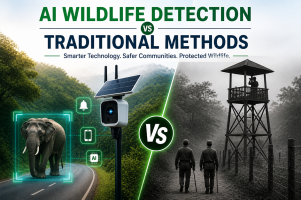
Traditional monitoring methods rely heavily on manual patrolling and static signage. AI-driven systems provide:
- Faster response time
- Higher detection accuracy
- Reduced manpower dependency
- Scalable deployment across long stretches
- Data analytics for future planning
AI integration ensures both infrastructure development and wildlife conservation can coexist sustainably.
JeevaRakshak: Advancing Wildlife Protection Through AI
JeevaRakshak is designed to address India’s growing human–wildlife conflict challenges through intelligent detection technology. By combining AI-powered cameras, real-time alerts, and solar-powered infrastructure, JeevaRakshak provides a scalable solution for highways and railway corridors.
The goal is simple yet powerful:
Protect wildlife. Safeguard human lives. Enable sustainable infrastructure.
Conclusion
As India continues to expand its road and railway networks, integrating advanced wildlife detection systems is no longer optional it is essential. AI-based early warning solutions represent the most effective and sustainable way to reduce wildlife collisions while maintaining infrastructure efficiency.
Investing in smart wildlife detection technology ensures safer transportation networks and a stronger commitment to conservation.